"Mom has told us for years that she wants to stay in her own home forever."
If you've had this conversation with a parent, you are not alone. Home represents independence, control, and a lifetime of memories. It is completely natural to want to stay there.
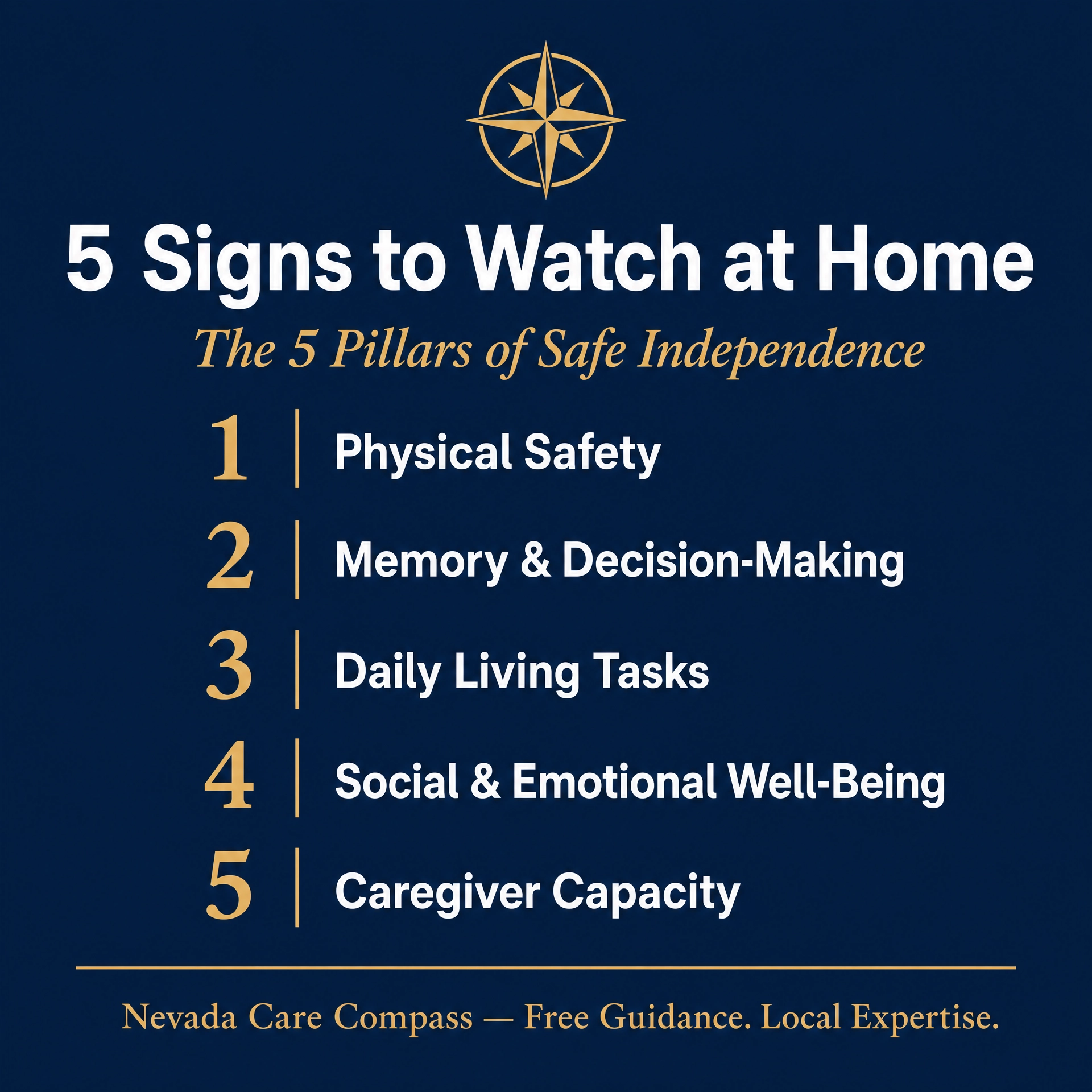
However, one of the biggest misconceptions about aging is that remaining in the same house is always the ultimate goal. In reality, the goal is much bigger than the house itself. The goal is to preserve safety, dignity, independence, and quality of life. And sometimes, staying home isn't automatically the same as maintaining independence.
The Quiet Loss of Independence at Home
Many people believe that moving to a senior living community means giving up freedom. But consider what happens when a home no longer supports a person's needs.
Social isolation rarely happens overnight. It usually begins with small decisions: driving only during the day, skipping evening activities, turning down invitations because walking has become difficult, or feeling embarrassed about hearing loss. As these small decisions add up, the world gradually becomes smaller. Someone who rarely leaves the house, no longer sees friends, and spends every day alone may be physically safe, but they may not be thriving. Sometimes the greatest risk isn't a fall. Sometimes it's loneliness.
How More Support Creates More Independence
This is where families often experience an unexpected shift in perspective. Imagine no longer worrying about preparing every meal, cleaning and maintaining the house, managing medications, driving to appointments, or living alone during an emergency.
Instead, imagine spending that time enjoying life. Sharing meals with friends. Participating in activities. Exercising. Sleeping better. Feeling more secure.
For many older adults, the right environment doesn't reduce independence—it restores it. Moving to an Independent Living, Assisted Living, or Residential Care Home can restore opportunities for friendships, activities, and daily routines that had slowly disappeared at home.
Focusing on the Outcome, Not the Location
Sometimes independence is preserved at home with the help of home care services or modifications. Other times, it happens in a new environment that better supports a person's changing needs. The location is less important than the outcome.
If you are wondering whether your loved one's home is still providing the safest and most fulfilling life possible, you don't have to figure it out alone.
Nevada Care Compass provides free, local guidance to help families in Northern Nevada explore their options and make decisions with clarity.